Source Snack Bowl Options for Cafes, Catering, and Retail
Explore 30 verified snack bowl listings from Chinese manufacturers. Compare materials like glass, ceramic, and stainless steel, alongside customization and certification details to find the right fit for your business needs; compare the available evidence and request quotations based on your requirements.
Key considerations
Products List


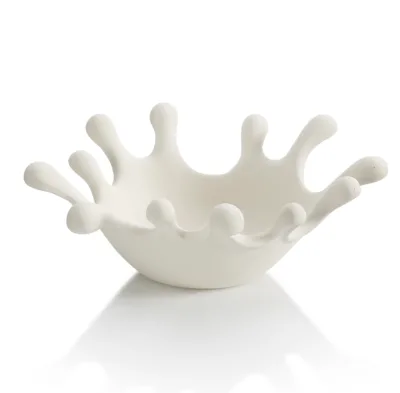


$2.53 - $2.81
Moq: 1000

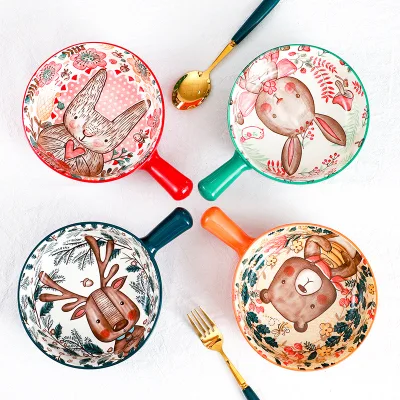


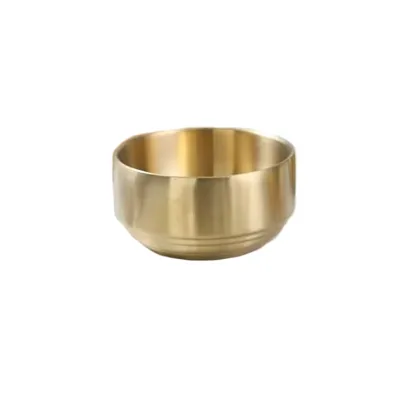


Comprehensive Sourcing Guide
Snack Bowl Sourcing Guide
Procuring snack bowls requires distinguishing between single-use and durable options, as the market offers both disposable and non-disposable variants. Buyers must first determine if the application demands eco-friendly disposability or long-term durability, noting that observed listings include non-disposable glass and ceramic options designed for daily use. This distinction fundamentally alters the material selection strategy, as glass and ceramic bowls offer superior thermostability and health care benefits compared to standard disposable alternatives.
The sourcing landscape reveals a diverse range of customization capabilities, with many suppliers offering OEM branding and customized printing on packaging. While some products are handmade glazed ceramics, others are mass-produced stainless steel or porcelain items. Buyers should verify if the specific model supports the required style, such as transitional or luxurious retro aesthetics, and confirm whether the supplier can accommodate specific size requirements like the observed 11.2cm or 15.6cm dimensions.
Product Scope and Observed Listing Signals
The observed product range spans from basic white ceramic bowls to complex multi-grid stainless steel trays, indicating a broad scope for snack service. Listings frequently highlight features like eco-friendliness and health care properties, suggesting a market trend toward sustainable and safe dining materials. Buyers should note that while some items are explicitly marked as non-disposable, others may be designed for single-use scenarios, requiring careful verification of the intended lifecycle before placing bulk orders.
Material composition varies significantly across the catalog, with glass, ceramics, porcelain, and stainless steel all appearing in the search results. This variety allows for tailored sourcing based on specific operational needs, such as the need for thermostability in hot snack service or the aesthetic appeal of glazed handmade ceramics. Procurement teams must align their selection with the observed production methods, ensuring that the chosen material matches the required durability and visual style for the target commercial buyer segment.
Technical Specifications to Verify
Technical verification must begin with precise dimensional analysis, as observed standards include specific measurements like 11.2cm, 8cm, and 15.6cm lengths. Buyers should confirm that the selected model number, such as TMGBT14082701 or RY0296, corresponds to the exact capacity and size required for their specific snack portioning needs. It is critical to validate that the listed capacity, such as 600ml, aligns with the intended serving volume to prevent under- or over-sizing in the final application.
Packing specifications and production techniques also require rigorous validation to ensure logistical compatibility. Observed packing details range from individual OPP bags to master cartons containing ten pieces, which directly impacts shipping costs and storage efficiency. Buyers must verify if the glazed technique or handmade method affects the fragility of the product, ensuring that the packaging strategy, such as the 5PCS inner box configuration, adequately protects the ceramic or glass items during transit.
Compliance and Safety Documentation
Safety compliance is paramount when sourcing food-contact items, with observed certifications including FDA, CE/EU, and SGS standards. Buyers must request current test reports to verify that the ceramic, glass, or stainless steel materials meet these specific regulatory requirements for food safety. The presence of LFGB and EEC certifications further indicates adherence to European safety norms, which is essential for suppliers targeting international markets or exporting to regions with strict food safety laws.
Documentation should also confirm that the product standards, such as the SGS standard mentioned in the listings, are actively maintained for the specific batch being ordered. Buyers need to ensure that the "Customized" standard status does not imply a lack of safety verification, but rather a tailored approach to meeting specific client requirements while maintaining baseline safety. It is advisable to cross-reference the supplier's certification claims with independent third-party audit results to guarantee that the health care and eco-friendly claims are substantiated by valid documentation.
Cost Drivers and Commercial Terms
Cost structures are heavily influenced by the material type and customization level, with handmade glazed ceramics generally commanding higher prices than mass-produced stainless steel options. The observed price range of 0.02 to 69.99 USD reflects this disparity, driven by factors such as the complexity of the glazing process, the raw material quality, and the extent of OEM branding services. Buyers should analyze the unit cost against the minimum order quantity, which ranges from 10 to 30,000 units, to determine the most economical procurement strategy for their volume needs.
Commercial terms regarding packaging and shipping must be clearly defined to avoid hidden costs. While some listings specify FOB terms, others detail specific packaging like standard export cartons or color boxes, which can affect the final landed cost. Buyers should negotiate based on the observed packing details, such as the 10PCS per master carton ratio, to optimize container utilization. Additionally, confirming whether the supplier accepts customized printing on the package is crucial, as this value-added service often incurs additional setup fees that impact the overall budget.
Supplier Qualification and Quality Control
Supplier qualification should focus on verifying the origin and production capabilities, as observed listings indicate manufacturing in regions like Shangdong and Chazhou Guangdong. Buyers must assess whether the supplier's "Handmade" or "Glazed" techniques are consistent with their quality control protocols, ensuring that the final product meets the specified style and durability expectations. It is essential to confirm that the supplier can consistently deliver the "Customized" attributes, such as specific model numbers and branding, without compromising the structural integrity of the ceramic or glass items.
Quality control processes must be validated through on-site audits or third-party inspections, particularly for products claiming eco-friendly and health care features. Buyers should verify that the supplier's standard export carton packaging is sufficient to prevent breakage during transit, especially for fragile materials like glass and ceramics. Establishing a clear communication channel for resolving defects related to discoloring or thermostability issues is also critical, ensuring that any non-conforming products are identified and addressed before shipment.
Long-Term Procurement Checks
Long-term procurement success depends on maintaining consistent quality and supply chain reliability over time. Buyers should establish periodic review cycles to ensure that the supplier continues to meet the observed standards, such as the SGS certification and specific dimensional tolerances. Regular audits of the production line can help verify that the handmade or glazed techniques remain consistent, preventing quality drift that could affect the product's performance in daily use applications.
Strategic partnerships should also include a review of the supplier's ability to adapt to changing market demands, such as new eco-friendly material requirements or updated safety standards. Buyers must monitor the supplier's response to customization requests, ensuring that the OEM branding and packaging options remain flexible and cost-effective. By maintaining a proactive approach to supplier management, buyers can secure a stable supply of high-quality snack bowls that align with their brand values and operational needs.
FAQs
How can I customize a snack bowl for my brand?
Customization is available for snack bowl products, including custom printing and logo placement, and OEM packaging is supported. You can typically choose bowl size, color, and packaging style such as inner boxes or export cartons. Request a sample with your artwork before mass production so the glaze, print placement, and box design are confirmed to match your brand requirements.
What materials are snack bowl products made from?
Snack bowl listings cover glass, ceramic and porcelain, and stainless steel options. Ceramic and porcelain bowls are handmade, glazed, and intended for daily use, while glass and stainless steel variants offer alternative looks and durability levels. Non-disposable, eco-friendly construction is emphasized across the category, so choose material based on your price point and end-use preference.
Which certifications do snack bowl products hold?
Listed certifications across the category include CE/EU, FDA, SGS, LFGB, and EEC, with individual products carrying FDA or SGS documentation. Food-contact items such as ceramic snack bowls commonly reference FDA compliance and SGS testing standards. Always request current certificate copies for the specific model you intend to order, since certification coverage varies between individual products and listings.
What sizes and capacities are available for snack bowl items?
Available sizes span small, medium, and large options, including dimensions such as 8cm, 10cm, and 11.5cm diameters, plus a 27 by 7.5cm three-grid serving bowl. One ceramic model measures 15.6 by 6.8cm with a 600ml capacity, and 4 inch and 8 inch standards also appear. Confirm the exact diameter, depth, and capacity per model before ordering.
Can I order snack bowl products in small quantities first?
Minimum order quantities vary by product, with the observed range starting as low as 10 pieces and extending to tens of thousands of units. Low-MOQ items suit sample runs and market testing, while larger orders reduce per-unit cost. Ask each supplier to confirm its current MOQ, sample policy, and pricing tiers for the specific bowl model you need.
How are snack bowl products packed for shipping?
Packing options include 5 pieces per inner box with 10 boxes per master carton, OPP bags, OPP bag plus color box, and standard export cartons for ceramic items. OEM packages and customized printing on packaging are accepted by several suppliers. For fragile ceramic and glass bowls, request export-grade cartons with dividers and confirm box counts to estimate shipping volume.
Where are snack bowl products manufactured and shipped from?
Origins shown in the listings include Shandong in China and Chaozhou in Guangdong, China, both established production regions for ceramic tableware. Several listings simply indicate China as the origin. Origin affects production cost, shipping port access, and lead time, so compare candidates across these regions and confirm the actual factory location before placing an order.
How do I verify snack bowl quality before bulk ordering?
Start by ordering samples to check glaze finish, thermostability, discoloring resistance, and overall build quality, since these functional attributes are highlighted for ceramic items. Review product standards documentation such as SGS test records and FDA certificates for the exact model. Confirm packing method and inspect the first production run or arrange third-party inspection before the balance payment.